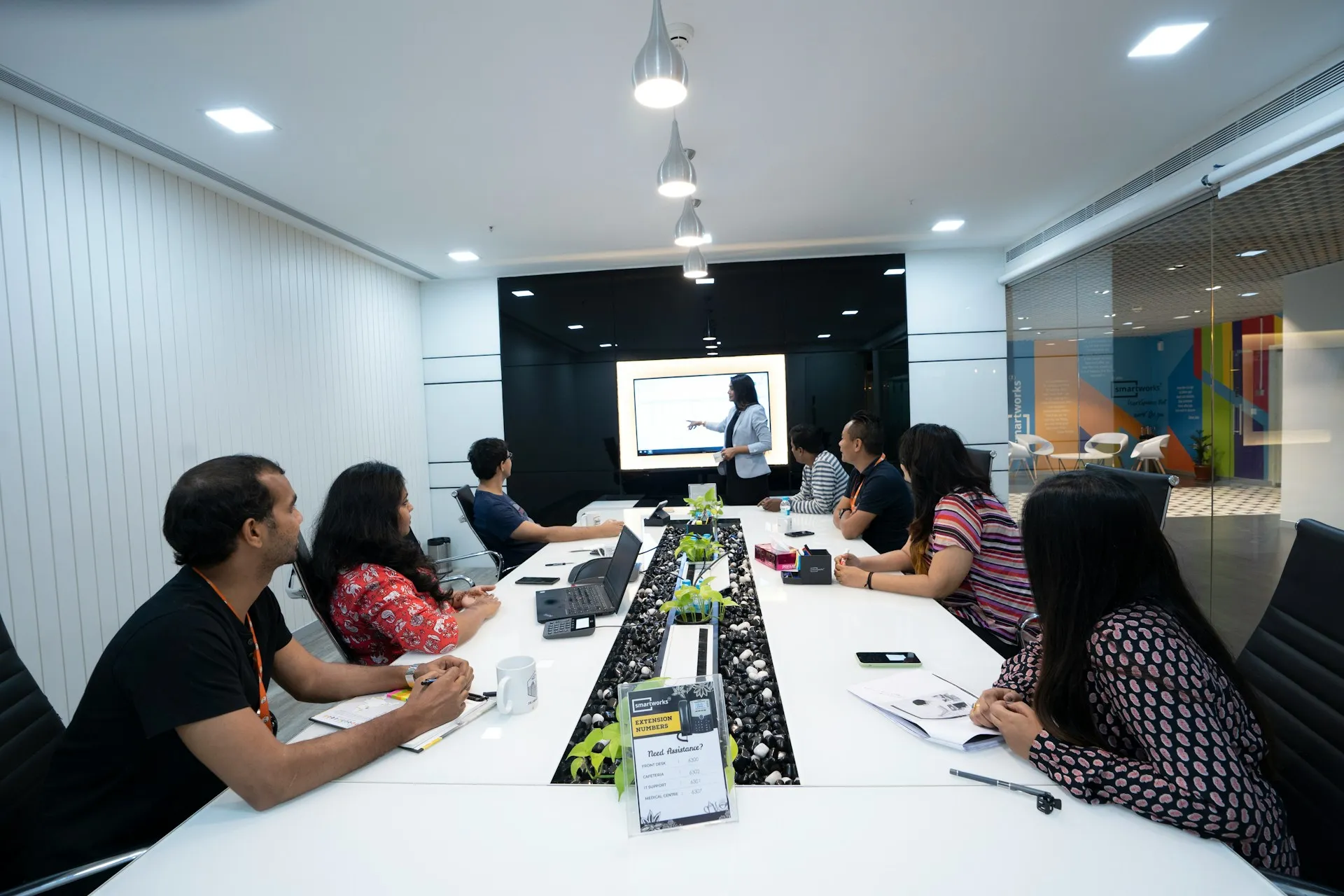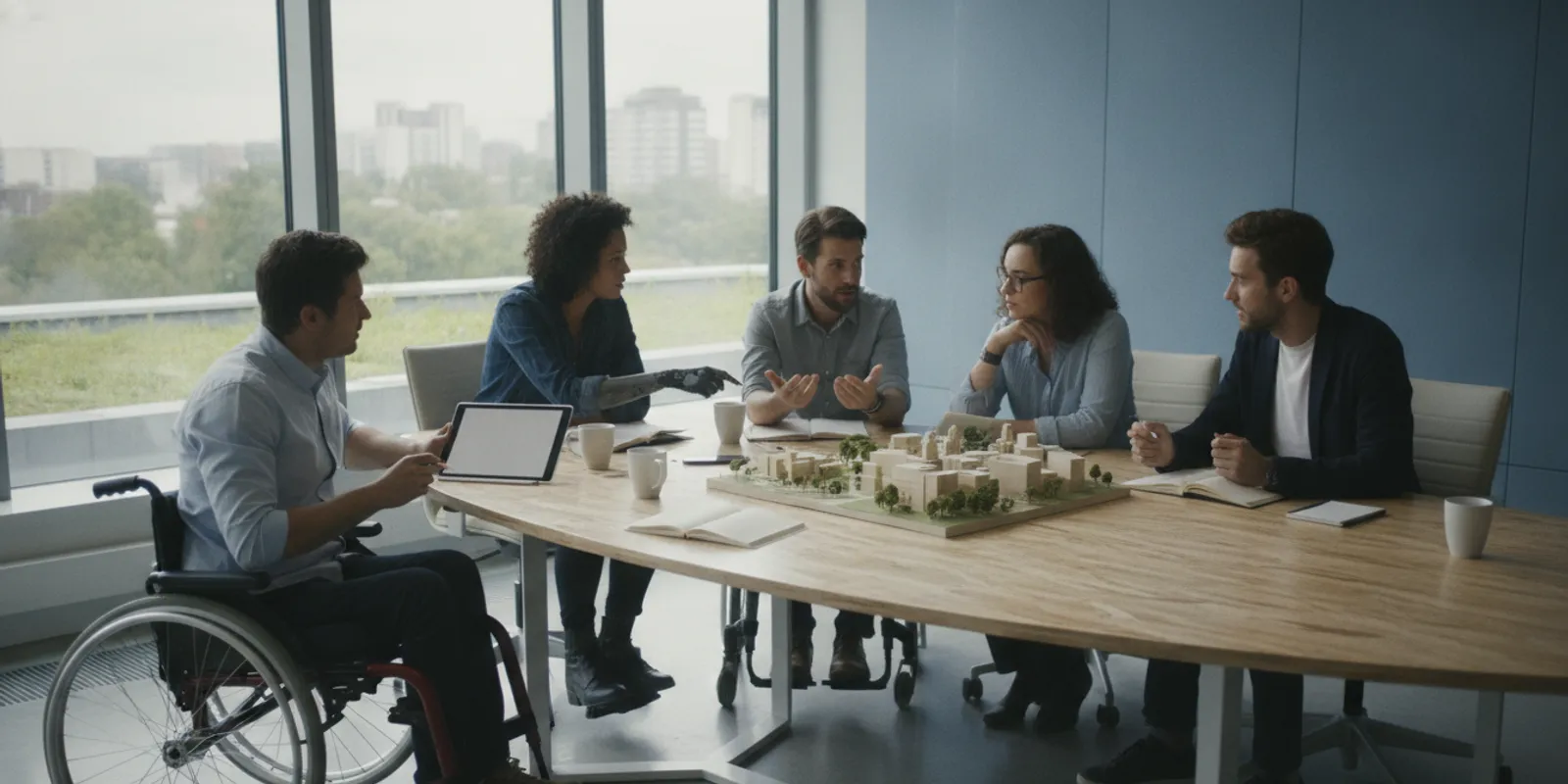
Effective disability inclusion training is not a one-time lecture about terminology. It helps people notice barriers, practice respectful communication, and decide what they can change in their roles. That practical approach also gives teams a clearer way of overcoming adversity in the workplace: identify the obstacle, understand its effect, and build a repeatable response instead of relying on good intentions alone.
Explore a tailored speaking program
What should disability inclusion training help a team do?
A useful program should make everyday work easier to navigate for people with different disabilities, access needs, and ways of communicating. It should give participants more than awareness. They need practical skills they can use in meetings, hiring conversations, team events, customer interactions, and day-to-day collaboration.
Training is strongest when it connects learning to specific work situations. For example, a team might examine how an agenda is shared, how people take turns in a meeting, or whether event materials are available in formats participants can use. The point is not to assume what any individual needs. It is to create a respectful way to ask, listen, and respond.
A well-designed session can help participants:
- Recognize physical, communication, and process barriers that may be easy to miss.
- Use respectful language without making a colleague responsible for educating everyone.
- Ask about access needs without demanding personal medical information.
- Make meetings and activities easier to participate in.
- Know how to raise an obstacle and who should help address it.
For organizations comparing formats, a competency-based course description from TrainingProfs is one example of framing the subject around knowledge and skills. The essential design choice is to connect knowledge to actions people can practice in the setting where they work.
Why does disability inclusion training need practice, not only information?
People can agree with a principle and still feel unsure about what to do in the moment. A manager may want to be supportive but avoid asking a useful question. A meeting facilitator may not notice that the format makes it hard for someone to contribute. A colleague may focus on a person’s disability instead of asking what would help with a specific task.
Practice lets people rehearse a better response before pressure arrives. It also shifts the discussion from abstract intentions to observable behaviors. Instead of asking whether a team is inclusive, leaders can ask: Did we share materials in advance? Did we offer more than one way to participate? Did we follow up when someone identified a barrier?
That distinction matters when teams face change, conflict, or a demanding deadline. In those moments, inclusion is not separate from performance. Clear communication and workable processes help a group use its members’ capabilities and coordinate around the actual challenge.
Which topics belong in an effective program?
The content should reflect the audience, its responsibilities, and the decisions participants can influence. A manager session should not be identical to a student-athlete workshop or an employee resource group event. Start with a small number of learning goals, then select examples that make those goals concrete.
| Program topic | What participants practice | Example workplace application |
|---|---|---|
| Recognizing barriers | Notice where a process or environment may block participation. | Review how someone receives meeting materials and contributes during the meeting. |
| Respectful communication | Ask open, relevant questions and listen without assumptions. | Discuss a task or access need without pressing for a diagnosis. |
| Accessible collaboration | Offer clear options for participation and information sharing. | Use spoken discussion alongside written notes or shared documents. |
| Responding to a concern | Clarify the barrier, identify the right owner, and agree on a next step. | Route a facilities or technology issue to the team able to address it. |
| Accountability and follow-up | Record commitments and check whether the change worked. | Revisit an agreed adjustment after a project milestone. |
Use the table as a starting point, not a checklist to complete in one session. If participants leave with five concepts but no clear behavior to try, the program may be too broad. Pick the most relevant situations and give people time to work through them.
How can a facilitator make training interactive and respectful?
Interaction does not require putting individuals on the spot or asking anyone to disclose personal information. It means participants think, discuss, practice, and reflect. Set clear expectations before an activity: people may speak from their own experience, but one person does not represent everyone with a disability.
Use realistic scenarios
Present a short scenario based on a common work task. For instance, a meeting participant says that the current process makes it difficult to follow the discussion. Ask the group what they would clarify, which options might help, and who needs to take responsibility for follow-up. Avoid treating the person who raised the concern as the problem to solve.
Practice the conversation
Give pairs a simple prompt: one person raises a barrier; the other practices listening, asking a relevant question, and agreeing on a next step. Then switch roles. Ask observers to note specific behaviors, such as whether the listener interrupted, made assumptions, or summarized the request accurately.
Review a team process
Have a small group map one routine, such as a staff meeting or training event, from invitation through follow-up. Where might information be hard to access? When does someone have a chance to request a format or participation option? Who owns the response? This makes training directly relevant to how the team operates.
Activities should be designed with care. A simulation that imitates a disability can oversimplify lived experience and shift attention to a temporary exercise rather than the barriers created by a system. Prefer activities that build listening, problem-solving, and awareness of the environment. The goal is not to claim that a brief exercise teaches participants what someone else’s life is like.
How can leaders turn a session into lasting workplace action?
A training session can introduce a useful method, but leaders and teams need a way to use it afterward. One practical sequence is to audit a situation, choose a specific shift, install a simple system, and review the result. This keeps the work focused on actions the group can own.
- Audit the situation. Choose a real process and describe what is happening. Separate what the team knows from what it is assuming. Ask where a barrier appears and who is affected by the process.
- Choose a practical shift. Identify one change participants can test. It might be sending materials earlier, making instructions clearer, offering more than one way to contribute, or clarifying who responds to access questions.
- Assign ownership. Name the person or role responsible for the next step. A commitment without an owner can disappear once the event ends.
- Check the result. Ask whether the change helped, whether another barrier emerged, and what needs to be adjusted. Keep the conversation focused on the process, not on judging an individual.
This cycle connects disability inclusion to overcoming adversity in the workplace in a grounded way. Teams encounter constraints; the useful response is to examine them clearly, communicate, and adapt the system. That is different from telling individuals to simply try harder or expecting one workshop to resolve every issue.
Leaders can also reinforce the learning through ordinary routines. Add an access question to event planning. Share meeting expectations in advance. Make it easy to raise a concern privately. When a team agrees on a change, revisit it instead of assuming that a single adjustment will work for everyone in every context.
How should organizations assess whether training is useful?
Use measures that connect to the learning goals. A satisfaction survey can show whether participants found a session engaging, but it cannot by itself show whether work practices changed. Combine participant feedback with evidence of actions taken and follow-up conversations.
- Before the session: Ask participants which situations feel unclear or difficult to handle.
- During the session: Observe whether people can identify a barrier, choose a respectful response, and name a next step in a scenario.
- After the session: Track agreed actions, owners, and review dates.
- At a later check-in: Ask what changed, what remains difficult, and what the team learned from the attempt.
Keep questions specific. Instead of asking only, “Are we more inclusive now?” ask whether a particular team process changed and whether people know how to request a different way to participate. Be cautious about treating attendance, completion, or a positive reaction as proof of impact. Those signals can be useful, but they do not replace evidence about practice.
Respect confidentiality. Do not ask employees to disclose a disability to demonstrate that training worked. Invite feedback through appropriate channels and focus evaluation on the accessibility and clarity of workplace practices.
How can organizations choose a suitable training format?
Start with the change you want participants to make, then choose a format that gives them enough time to work on it. A keynote can introduce a shared perspective and focus attention. A workshop can give a group time to discuss scenarios and rehearse responses. Team consulting can focus on the organization’s actual roadblocks and communication patterns. Coaching can support an individual leader who is working through a specific challenge.
| Format | Best suited to | Planning question |
|---|---|---|
| Keynote | Building a shared starting point for a broad audience. | What practical idea should people remember and discuss afterward? |
| Interactive workshop | Practicing conversations, reviewing scenarios, or working through a team exercise. | What will participants do during the session, not just hear? |
| Team consulting | Examining real communication gaps or roadblocks and agreeing on follow-up. | Which team process needs focused attention and ownership? |
| Coaching | Supporting a leader or speaker as they apply learning to a particular role or goal. | What situation should the individual be better prepared to handle? |
Organizations can explore speaking and consulting by industry when considering how to adapt a program to their audience. Readers can browse Aaron’s advice articles for related leadership and resilience themes. For a larger event, decide whether the session is meant to open a conversation or to teach a skill in depth. If both outcomes matter, plan a keynote followed by a facilitated practice session or follow-up work rather than trying to do everything in a short address.
Format can also be in person or virtual. In either case, share the session structure in advance, clarify how participants can contribute, and provide a way to raise access needs. Aaron Golub works with organizations in the United States and internationally, with in-person and virtual delivery available; organizers can review his speaking locations when planning across geographies. His work brings practical learning together with lived experience as the first legally blind Division I athlete to play in a game, a Tulane football player and team captain.
What should organizers ask before booking a program?
Good planning starts with the audience and the desired next step, not with a generic topic label. Before booking a speaker or facilitator, organizers can clarify:
- Who will attend, and what roles or responsibilities do they have?
- What real situation prompted the organization to consider training now?
- What should participants understand, practice, or do differently afterward?
- How much time is available for instruction, discussion, and follow-up?
- What accessibility or participation needs should be planned for in the event itself?
- Who will own next steps after the session, and when will progress be reviewed?
Bring examples, while protecting personal information. A facilitator can tailor a session more effectively when organizers describe the challenge, the audience, and the constraints clearly. Pricing should be discussed in relation to the event, location, engagement type, and scope rather than assumed from a published rate.
When comparing potential programs, look for a clear connection between the facilitator’s approach and the desired outcome. Aaron’s work includes speaking, interactive workshops, team consulting, and coaching. You can review one published client perspective and another account of working with Aaron as part of your own evaluation. The key is to assess fit for your goals, not to assume that any one format will suit every team.
Frequently asked questions
How long should disability inclusion training last?
It depends on the goal. A short session may introduce shared concepts, while practical skill-building or team process work needs time for discussion, practice, and a clear next step. Choose the time based on what participants should be able to do afterward.
Should this training be only for managers?
No single audience fits every need. Managers may need practice responding to concerns and supporting workable processes. Individual contributors may benefit from practicing respectful communication and collaboration. Event planners, educators, coaches, and teams may need examples tied to their own responsibilities.
Can a virtual program be interactive?
Yes. A facilitator can use structured discussion, written prompts, small-group work, and clear participation options. Organizers should communicate how to take part and how participants can raise access needs before the event.
How often should an organization offer training?
Frequency depends on the organization’s needs, role changes, and the work practices being addressed. A useful plan includes follow-up and reinforcement, not just repeated sessions. Review progress, identify remaining barriers, and decide whether a new session or a different form of support would help.
Make inclusion a practice the team can repeat
Effective disability inclusion training gives people concrete ways to notice barriers, communicate with respect, and follow through on changes. When leaders connect learning to everyday work and assign ownership for next steps, a training session can become part of how a team handles challenges together.
Discuss a program for your organization
Start with one real process, one useful practice, and a clear date to review what changed; that is how a team turns good intent into action.